
Behind the Claims | Episode 13
We need structure. We need a routine. We need purpose. We need meaning. We need movement. We need social connections
This episode explores psychological workers compensation claims, workplace mental health injuries, psychological injury recovery, return to work, workplace connection, and the challenges injured workers can experience during the workers compensation process
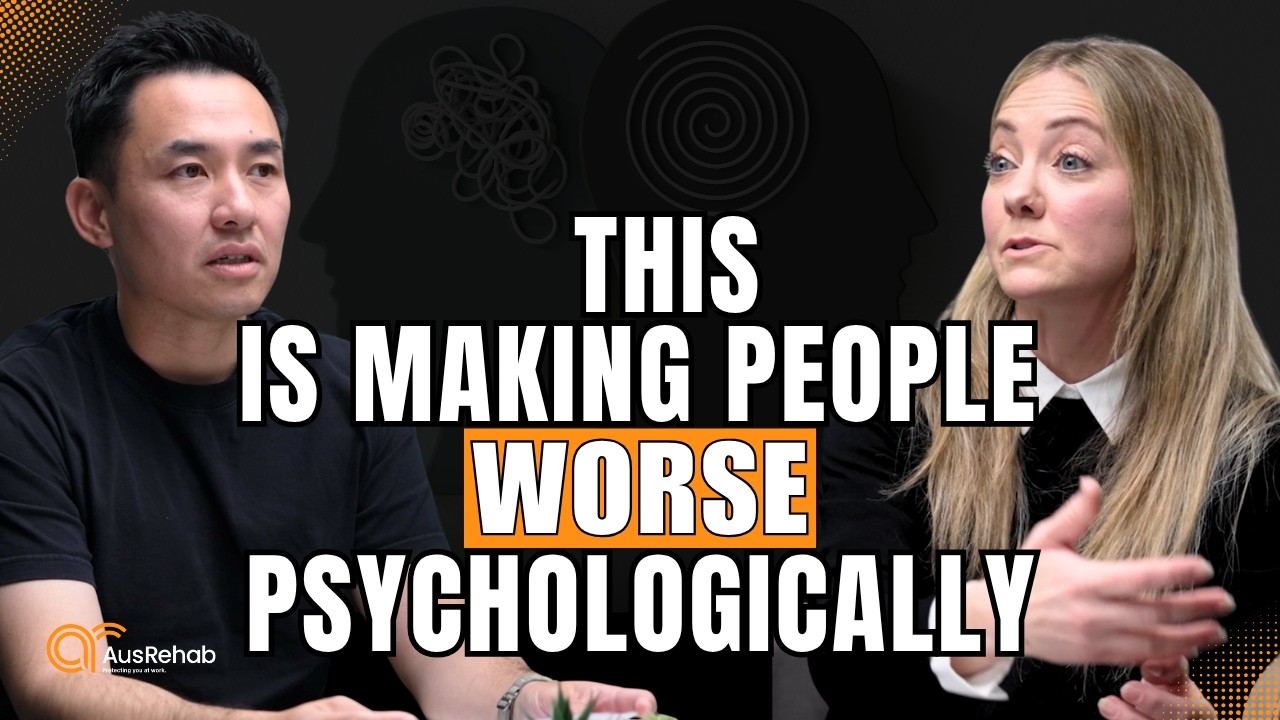
That’s how psychologist Sharon Draper describes some of the foundations of recovery after a psychological workplace injury.
In this episode of Behind the Claim, Stephen speaks with Sharon about why psychological workers compensation claims can become difficult, what can slow recovery, and why staying connected to everyday life and the workplace can matter.
With 17 years of experience in psychology, including around 15 years working with workers compensation patients, Sharon shares what she has seen both inside the claims system and in her own practice. Psychological workplace injuries don’t always begin with one incident. As Sharon explains in the episode, they can build gradually until someone reaches a point where they can no longer keep pushing through.
What happens after the claim is lodged can influence recovery. Losing routine, becoming disconnected from colleagues, spending more time alone, and repeatedly thinking about what happened can make it harder for injured workers to move forward. Sharon discusses what recovery can look like in practice, including rebuilding structure and routine, maintaining social connection, understanding the body’s response to perceived threats, and gradually getting back to everyday life.
“We need structure. We need a routine. We need purpose. We need meaning. We need movement. We need social connections.”
That’s how Sharon Draper sums up what it really takes to recover from a mental health injury, and it’s exactly what tends to fall apart the moment someone lodges a psychological workers comp claim.
In this episode, Stephen sits down with psychologist Sharon Draper, who’s spent 17 years in the field, around 15 of them working with workers comp patients, seeing 20 to 25 clients a week in her own practice. She makes one point clear early on: workers comp was built around physical injury, so when a claim is about someone’s mental health, the system can struggle to keep up.
Sharon explains how a psychological injury is almost never one bad day. It usually builds up over time, and when someone reaches a final straw. What happens next often makes it harder. The workplace goes quiet, colleagues aren’t sure whether to reach out, and the injured worker can end up feeling cut off, sitting at home going over it again and again. Sharon has seen people stop leaving the house and even turn up to online sessions in their pyjamas. So before things get worse, she helps her clients understand how the body slips into survival mode when it feels under threat, and why that isn’t something they’re choosing.
Sharon opened up about where the system could do better. A specialist might see someone for 10 or 15 minutes and produce a long report that carries real weight in the claim. The self-rated questionnaires she has to hand in can change depending on how the person feels that day. And she talks about how the push for compensation and the process of recovery can quietly work against each other.
If you’ve been hurt at work and your mental health isn’t in a good place, you’re not on your own. This episode lays out what genuinely helps people get their life back after a workplace incident.
The conversation shows how workplace connection, routine, treatment, assessment processes, and return-to-work support can all influence recovery after a psychological workplace injury.
Supporting recovery from a psychological workplace injury requires more than treatment alone. Connection, routine, appropriate workplace support, and a well-planned return to everyday life can all play an important role.

Sharon Draper is a psychologist with 17 years of experience, including around 15 years working with people navigating workers compensation claims.
Through her clinical practice, she has supported injured workers experiencing psychological injuries and understands the challenges that can arise when mental health recovery and the workers compensation process intersect.
That’s how Sharon Draper sums up what it really takes to recover from a mental health injury, and it’s exactly what tends to fall apart the moment someone lodges a psychological workers comp claim.
In this episode, Stephen sits down with psychologist Sharon Draper, who’s spent 17 years in the field, around 15 of them working with workers comp patients, seeing 20 to 25 clients a week in her own practice. She makes one point clear early on: workers comp was built around physical injury, so when a claim is about someone’s mental health, the system can struggle to keep up.
Sharon explains how a psychological injury is almost never one bad day. It usually builds up over time, and when someone reaches a final straw. What happens next often makes it harder. The workplace goes quiet, colleagues aren’t sure whether to reach out, and the injured worker can end up feeling cut off, sitting at home going over it again and again. Sharon has seen people stop leaving the house and even turn up to online sessions in their pyjamas. So before things get worse, she helps her clients understand how the body slips into survival mode when it feels under threat, and why that isn’t something they’re choosing.
Sharon opened up about where the system could do better. A specialist might see someone for 10 or 15 minutes and produce a long report that carries real weight in the claim. The self-rated questionnaires she has to hand in can change depending on how the person feels that day. And she talks about how the push for compensation and the process of recovery can quietly work against each other.
If you’ve been hurt at work and your mental health isn’t in a good place, you’re not on your own. This episode lays out what genuinely helps people get their life back after a workplace incident.
The conversation shows how workplace connection, routine, treatment, assessment processes, and return-to-work support can all influence recovery after a psychological workplace injury.
That’s how Sharon Draper sums up what it really takes to recover from a mental health injury, and it’s exactly what tends to fall apart the moment someone lodges a psychological workers comp claim.
In this episode, Stephen sits down with psychologist Sharon Draper, who’s spent 17 years in the field, around 15 of them working with workers comp patients, seeing 20 to 25 clients a week in her own practice. She makes one point clear early on: workers comp was built around physical injury, so when a claim is about someone’s mental health, the system can struggle to keep up.
Sharon explains how a psychological injury is almost never one bad day. It usually builds up over time, and when someone reaches a final straw. What happens next often makes it harder. The workplace goes quiet, colleagues aren’t sure whether to reach out, and the injured worker can end up feeling cut off, sitting at home going over it again and again. Sharon has seen people stop leaving the house and even turn up to online sessions in their pyjamas. So before things get worse, she helps her clients understand how the body slips into survival mode when it feels under threat, and why that isn’t something they’re choosing.
Sharon opened up about where the system could do better. A specialist might see someone for 10 or 15 minutes and produce a long report that carries real weight in the claim. The self-rated questionnaires she has to hand in can change depending on how the person feels that day. And she talks about how the push for compensation and the process of recovery can quietly work against each other.
If you’ve been hurt at work and your mental health isn’t in a good place, you’re not on your own. This episode lays out what genuinely helps people get their life back after a workplace incident.
Supporting recovery from a psychological workplace injury requires more than treatment alone. Connection, routine, appropriate workplace support, and a well-planned return to everyday life can all play an important role.

We support injured workers, employers and treating teams through workplace rehabilitation and return-to-work services