


At AusRehab, our workplace early intervention services focus on practical action in the first days after an injury, helping injured workers stay connected to work while supporting employers in responding with clarity and confidence.
Our approach to early intervention injury management includes:
The period immediately after an injury often determines the overall outcome. Early intervention return-to-work support reduces uncertainty and helps injured workers maintain confidence and routine.
When early support is not provided, workers may disengage from the workplace, employers may delay decisions, and claims may become more complex. Time away from work increases the risk of physical deterioration and psychological distress, particularly when communication is unclear.
Early intervention addresses these risks directly by supporting safe participation at work while recovery is underway. Early involvement allows concerns to be identified, expectations to be set, and return-to-work planning to begin before barriers form.
Speed matters. AusRehab prioritises early intervention triage so that action begins immediately after referral.
Our early injury intervention process includes:
Our recovery-at-work services are built around the principle that work, when safe and medically appropriate, is a critical part of recovery. Early, meaningful participation supports both physical and psychological recovery.
Early suitable duties are identified through:
Our early return-to-work support reinforces that recovery at work is not a barrier to healing, but often the most direct path back to full employment.
Effective worker-centred injury management relies on trust, respect, and collaboration. AusRehab works closely with employers, workers, insurers, and treating practitioners to ensure communication remains clear and aligned.
Our collaborative model supports:
Strong employer-insurer-worker collaboration supports sustainable return-to-work outcomes.
Evidence-based early intervention consistently demonstrates that early return to work improves recovery outcomes and reduces claim costs.
Rather than focusing on statistics, our focus is on practical, real-world results that benefit workers, employers, and insurers.
Our early intervention referral process begins immediately. Each referral is managed with urgency and care.
Within the first 24 hours:
This initial injury management support sets clear expectations and ensures everyone is aligned from the start.
Within the first week, we move from triage to practical action. Our early workplace assessment process focuses on understanding capacity and opportunities. This stage may include:
Employers receive clear, practical advice to support early engagement and confidence.

By day 10, the focus is on planning and alignment. Early return-to-work planning ensures all parties are working toward the same goals.
This stage includes:
Where delays occur, they are communicated directly to the referrer to maintain transparency and trust
Early intervention work injury support is suitable in a wide range of situations, particularly when early guidance can prevent escalation
Early intervention may be appropriate when:
Providing timely support after a workplace injury leads to stronger outcomes for both employers and workers. Early intervention to prevent long-term absence allows injured workers to remain connected to their workplace, which supports confidence, routine, and overall well-being. This not only helps the worker recover faster but also enables employers to manage the situation proactively
Additional benefits include:
When implemented effectively, early intervention services lead to clear, sustainable outcomes
Early intervention may result in:
AusRehab provides tailored employer early intervention support and insurer early intervention services to reduce uncertainty and risk.
Early guidance helps employers and insurers:
Early intervention claims prevention is most effective when employers and insurers are supported with clear advice and timely action.
Not all workplace injuries are purely physical. Psychosocial risk factors can significantly delay recovery if not addressed early. These issues often emerge within the first few days following an injury, making timely support essential.
Early intervention for mental health in workplace injury cases helps:
By managing psychosocial risks through early intervention, we help prevent long-term absence and support healthier, more sustainable return-to-work outcomes.
AusRehab is a trusted provider of early intervention services across Australia. Our team brings practical experience, clinical knowledge, and a clear understanding of workplace injury systems.
As a trusted early intervention provider in Australia, we focus on:
Our early intervention occupational rehabilitation services in Australia are designed to support recovery at work and deliver outcomes that matter.
Sarah M.
HR Manager — WA
AusRehab’s early intervention support has been invaluable. They engaged with our injured worker immediately, helped us implement suitable duties, and kept communication clear between all parties. It significantly reduced downtime and kept our claim on track
Priya S.
RTW Coordinator — NSW
We value how quickly AusRehab responds in the early stages of an injury. Their proactive communication and workplace-focused recommendations help prevent small issues from escalating and support positive outcomes for both our team and the business

If you have a worker who may benefit from early intervention referral, contact AusRehab today. Acting early can prevent escalation, reduce time off work, and support better recovery outcomes.
Refer early intervention services today to support recovery at work.

Early intervention involves providing timely support in the first days or weeks after a workplace injury to prevent escalation and support recovery at work.
Early intervention should be used as soon as possible after an injury, particularly when there is uncertainty about suitable duties or recovery pathways. Early Intervention services are generally appropriate when the referral is received within four (4) weeks of the injury or surgery. Where there is a delay in referral, Early Intervention may not be able to proceed.
Employers should refer early when guidance is needed, risks are emerging, or the goal is to prevent time off work.
Yes. Early intervention focuses on identifying safe, meaningful, suitable duties that support recovery at work.
Yes. Early action helps maintain connection to work and reduces the likelihood of prolonged absence.
The referral is triaged, key stakeholders are contacted, and immediate risks and needs are identified.
The injured worker, employer, insurer (if applicable), and treating practitioners are involved as required.
Yes. Communication with the treating doctor is a key part of aligning recovery and RTW planning.
Early intervention is recommended as soon as psychosocial risks such as fear, anxiety, or workplace conflict are identified.
Outcomes include sustainable return-to-work, reduced claim costs, improved engagement, and smoother transitions to rehabilitation services if needed.
Do it yourself in under 5 mins!
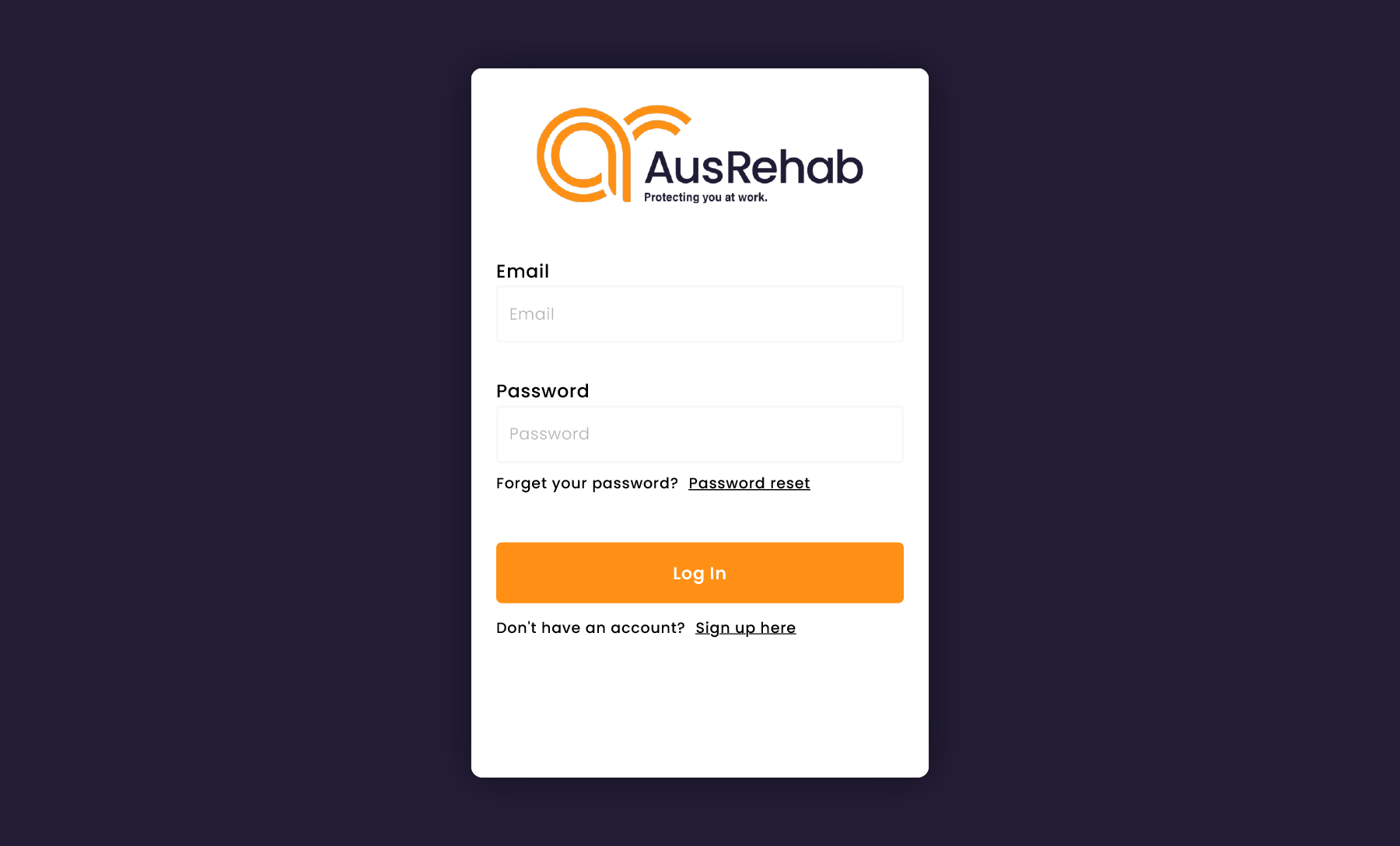
Sign Up at PES Portal
Go to PES Portal & Sign Up for FREE
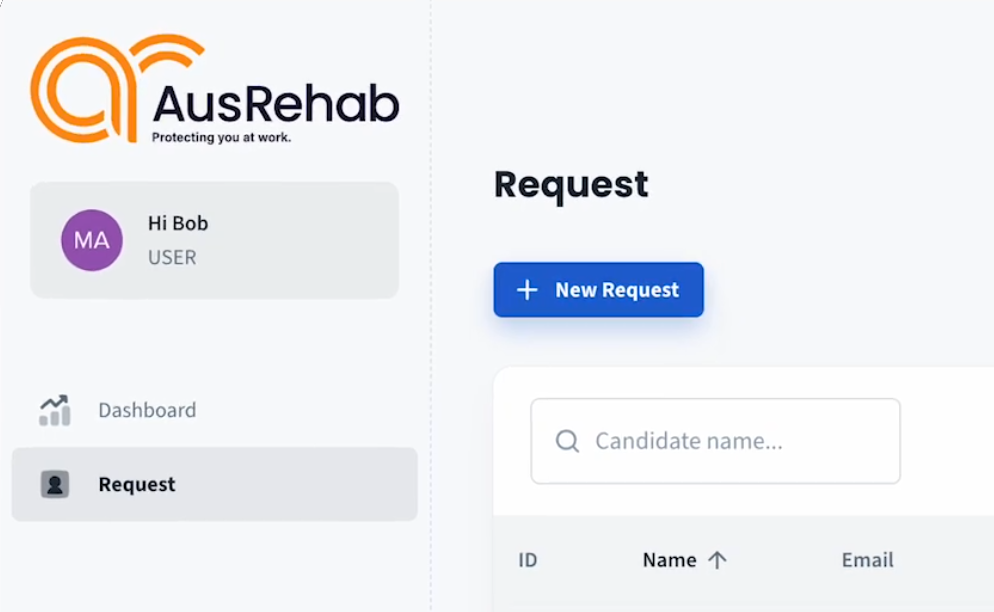
Fill Form & Pre-pay
Make a New Request with your candidate’s info

That's it!
Assessment will be scheduled in 3 days