
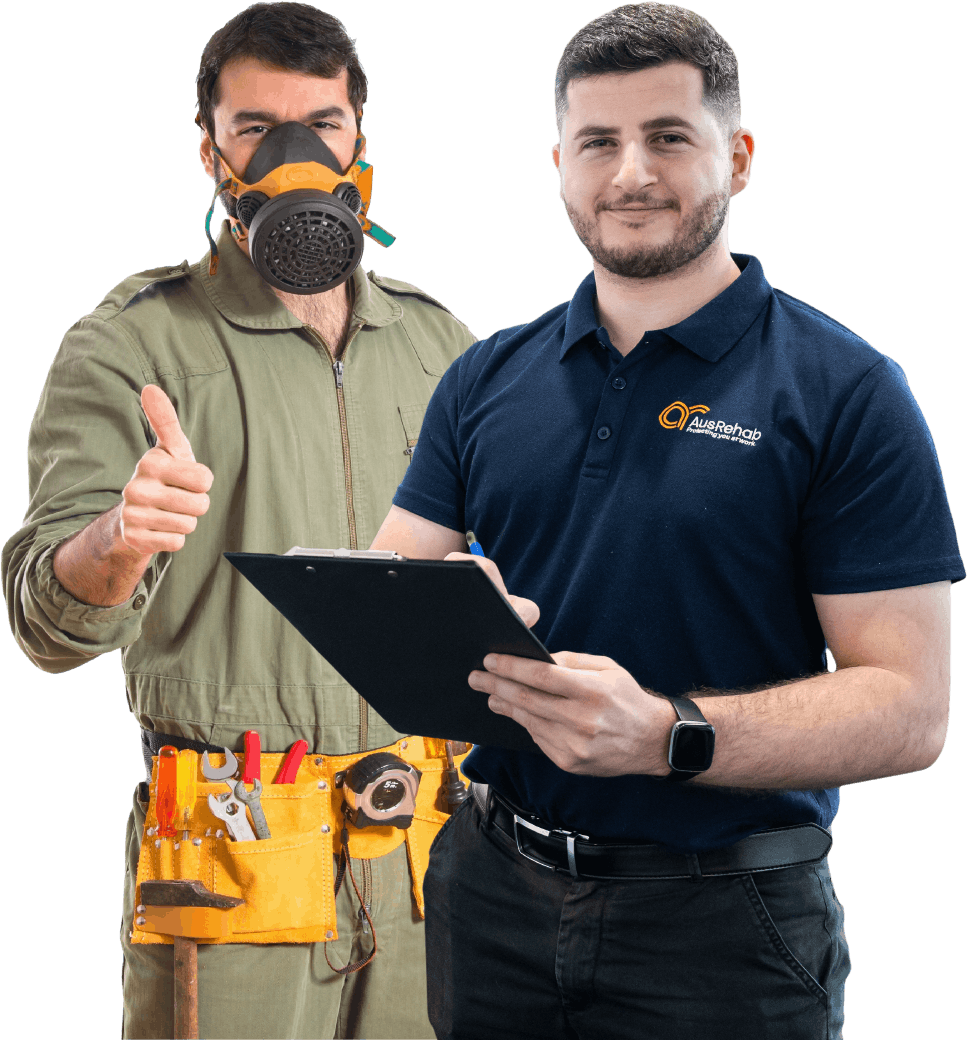
A diagnosis of silicosis, asbestosis, or another occupational lung condition can change the direction of your career.
At AusRehab, we provide specialist dust disease rehabilitation services in NSW tailored to workers affected by prolonged silica dust exposure and other hazardous airborne particles. We focus on restoring independence, strengthening capacity, and supporting a realistic return to work after dust disease in roles suited to your health and experience.
A confirmed dust-related condition often raises immediate concerns about health, income, and long-term employability. Many workers ask if they can continue earning an income or if their trade career has come to an end.
For many people, working after a silicosis diagnosis remains possible. The key is matching medical capacity with safe, appropriate employment options.
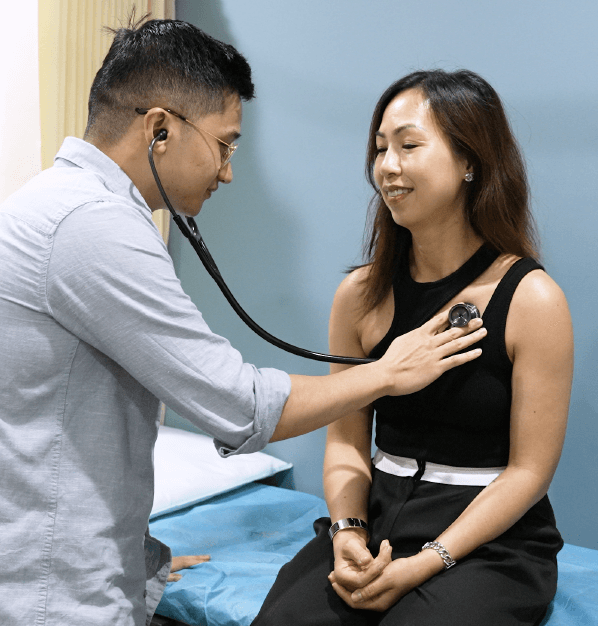
Workers living with respiratory conditions commonly experience:
✅ Breathlessness and fatigue
✅ Reduced stamina
✅ Fluctuating lung capacity
✅ Psychological impacts such as anxiety or loss of identity
✅ Concerns about financial security and long-term health
Through comprehensive occupational lung disease rehabilitation, we support both physical and vocational recovery, ensuring your rehabilitation plan reflects your medical reality, personal goals, and workplace options.
Our goal is to help you rebuild confidence, regain independence, and find sustainable, fulfilling work
Our rehabilitation services for dust disease workers are designed to address the clinical, functional, and vocational realities of dust disease claims under the NSW scheme
Dust diseases such as silicosis often require ongoing medical management. Rehabilitation must align with respiratory specialists, treating doctors, and the NSW compensation framework.
Our program includes:
We develop tailored return-to-work plans that consider your diagnosis, fatigue levels, breathlessness, and capacity fluctuations. Every plan prioritises a safe, staged transition.
We facilitate structured discussions between treating doctors, insurers, case managers, and workers to ensure clarity around medical capacity and realistic vocational goals.
Activities of Daily Living (ADL) Assessments
Our ADL assessments evaluate independence in:
ADL assessments are particularly important in dust disease cases, as progressive symptoms may impact daily functioning. These assessments support treatment planning, home modification recommendations, and long-term independence.
When exposure to silica dust or other hazardous materials prevents a return to previous duties, a career transition becomes essential.
Our workplace rehabilitation services in NSW include:
Vocational Assessment / Transferable Skills Assessment
We evaluate your work history, strengths, and functional abilities to identify suitable alternatives. A detailed transferable skills assessment highlights strengths that can translate into safer roles.
Job Retraining and Transition Planning
If necessary, we help you access funded retraining pathways. We assist with structured job retraining after silicosis through approved programs. Training options are selected carefully to match long-term medical capacity.
Job Placement and Employer Liaison
Our consultants engage directly with potential employers to secure suitable positions. We monitor placements to ensure duties remain safe and sustainable.
Dust disease claims often involve complex coordination between multiple stakeholders. AusRehab ensures seamless communication and compliance.
We provide:
This collaborative model reduces confusion, strengthens recovery planning, and ensures every recommendation reflects medical and vocational realities.
When returning to previous work is not possible, AusRehab helps you identify transferable skills and retrain for new roles.
Many workers affected by silica dust exposure have developed strong skills in construction, mining, manufacturing, and logistics. Our role is to translate those skills into safer employment options.
| Previous Industry | Common Health Risk | Potential Career Pathway |
|---|---|---|
| Stone masonry / construction | Silica exposure | Project coordination, site administration, safety roles |
| Manufacturing / trades | Dust or chemical exposure | Customer service, equipment scheduling, logistics support |
| Mining / tunnelling | Dust exposure, fatigue | Administration, training, compliance, WHS documentation |
| Driving / logistics | Diesel and particulate exposure | Office operations, dispatch, customer liaison |
These examples illustrate how a career change after dust disease can still leverage your expertise and industry knowledge
You may also:
An organised career transition for silicosis protects income while safeguarding respiratory health
Changing careers after a dust disease diagnosis can feel uncertain. Structured planning reduces that uncertainty
Our vocational assessment in NSW includes:
This assessment forms the foundation for sustainable re-employment
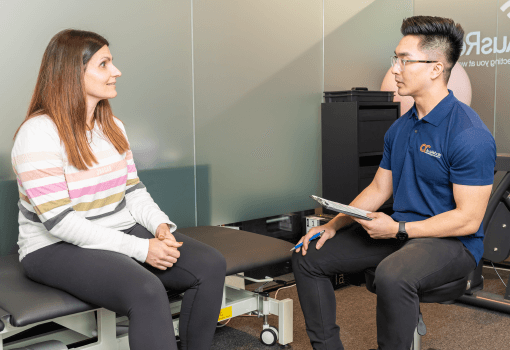

Our job placement support programs in NSW provide practical assistance such as:
We continue monitoring placements to reduce the risk of breakdown and ensure long-term durability.
A safe return to work for dust disease requires careful planning and flexibility. Capacity may fluctuate, and symptoms such as fatigue or breathlessness must be respected.
A well-developed, suitable duties plan in NSW protects health while restoring financial stability.
We prioritise stability and long-term well-being over rushed outcomes
Workers across NSW trust AusRehab for specialist dust disease rehabilitation because we provide:
Our collaborative, strengths-based approach supports not only recovery but also career rebuilding
What they Say!
Mark D.
NSW
After my silicosis diagnosis, I wasn’t sure what support was available. AusRehab guided me through the NSW workers compensation process and helped me find a new job. Their understanding of dust disease claims made everything feel more manageable
Anthony P.
NSW
Living with a lung condition is challenging, but AusRehab helped me focus on what I could still do. They worked closely with my specialists to plan for my treatment and recovery
If you’ve been diagnosed with silicosis or another occupational lung condition, early rehabilitation can make a significant difference.
Contact AusRehab to discuss your dust disease rehabilitation needs in NSW. Our team provides structured career planning, retraining guidance, and coordinated workplace rehabilitation tailored to your medical capacity.
Yes. Many workers successfully return to work after dust disease with appropriate medical management and structured vocational planning. Working after silicosis is possible when roles are aligned with your capacity. Through staged planning and job retraining in NSW, a sustainable return to work after dust disease can often be achieved.
We provide personalised vocational assessment, vocational counselling, job placement, exploring retraining pathways, employer liaison, and post-placement monitoring. Our services are designed to support long-term career transition after injury.
Safe work after silica exposure may include administrative roles, project coordination, compliance documentation, scheduling, customer liaison, or training support. Through detailed transferable skills analysis, we identify administrative roles after injury that align with your health needs.
A structured vocational assessment in NSW clarifies functional capacity, identifies suitable employment options, and builds confidence. Combined with job placement support, it provides direction and motivation during recovery.
In many cases, retraining may be funded through an approved SIRA vocational training support pathway, depending on eligibility and claim status. We assist with coordinating these supports.
We provide structured job-seeking support for dust disease workers, including resume development, employer engagement, work trials, job placements, and post-placement monitoring. Through comprehensive vocational assessment in NSW, we identify safe and sustainable employment options aligned with your long-term wellbeing.
Do it yourself in under 5 mins!
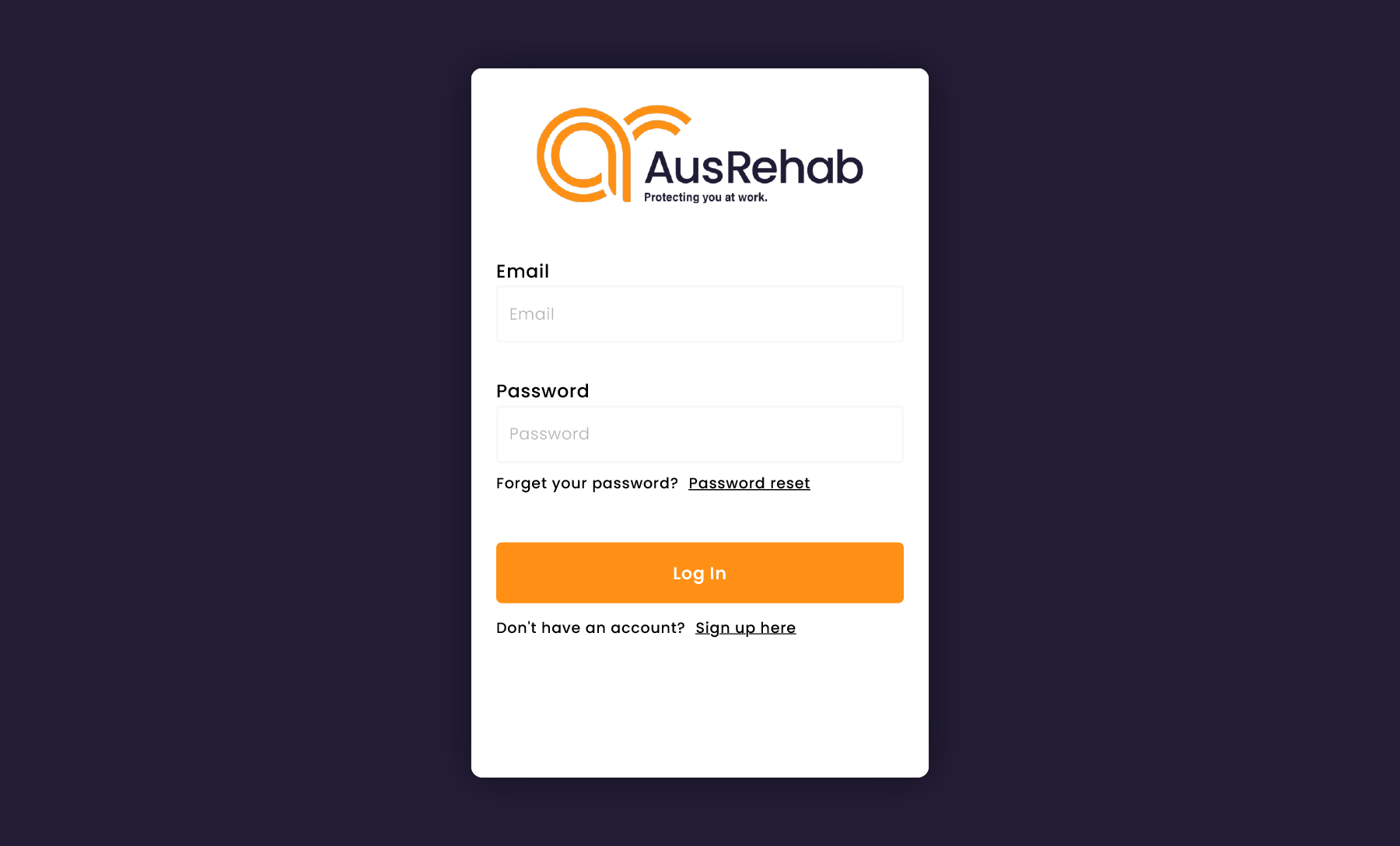
Sign Up at PES Portal
Go to PES Portal & Sign Up for FREE
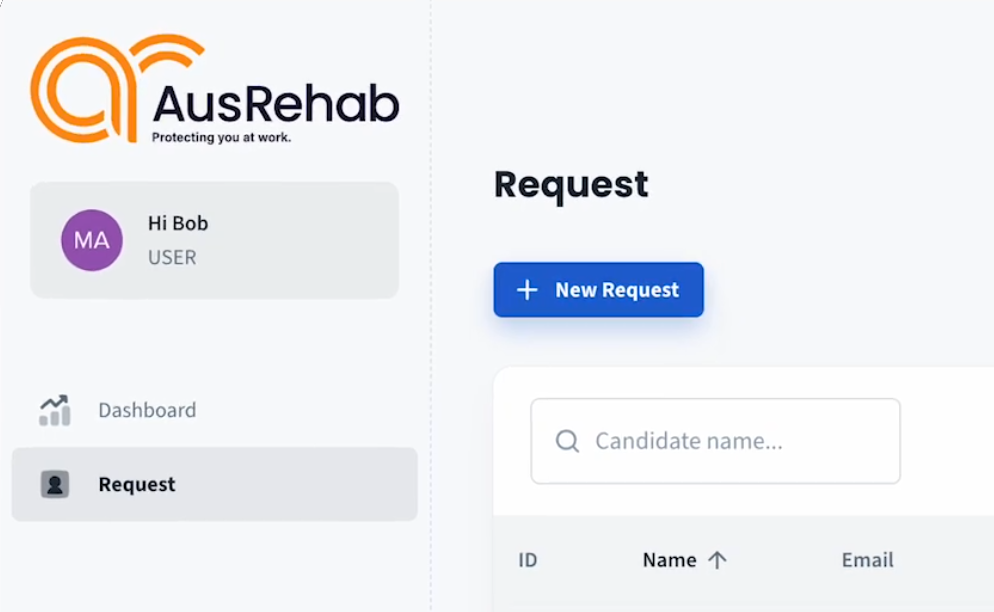
Fill Form & Pre-pay
Make a New Request with your candidate’s info
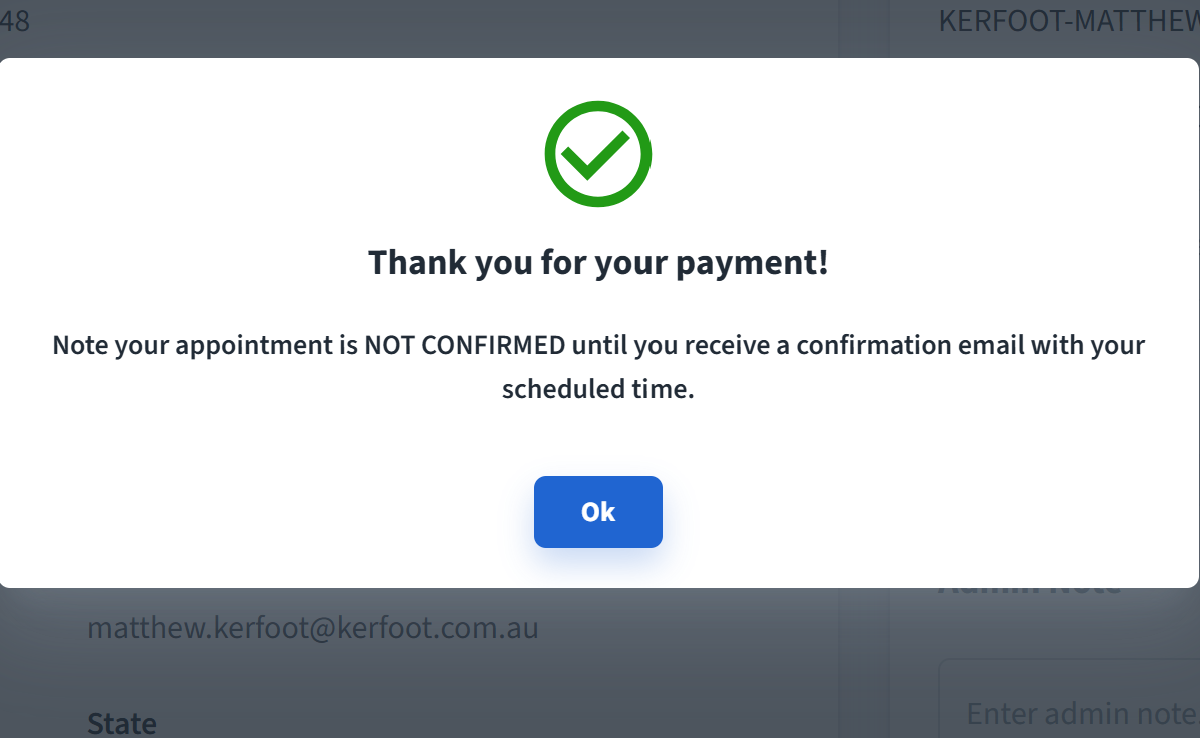
That's it!
Assessment will be scheduled in 3 days