
Prefer to Listen? Play this quick summary instead!
Can You Fire an Injured Worker on Workers’ Compensation in NSW?
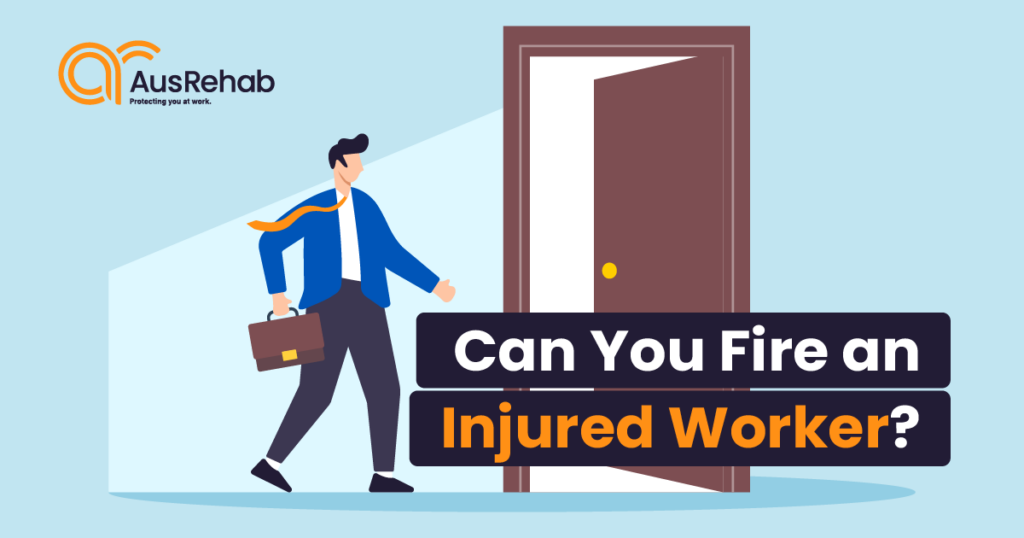
Termination of an injured worker in NSW is highly regulated, and the short answer is that employers cannot dismiss a worker simply because they are injured or receiving workers’ compensation. The law places strong protections around injured workers, particularly in the early stages of a claim.
In most cases, dismissal is not lawful within the first six months after a workplace injury if the reason relates to the worker’s incapacity. This period is often referred to as the protected period. During this time, employers are expected to focus on injury management, recovery, and return-to-work planning rather than termination.
Termination may only be considered lawful when the reason is not the injury itself, the six-month protected period has passed, and all legal obligations have been met. These obligations include having a return-to-work or injury management plan, exploring suitable duties where reasonably practicable, and following medical advice. Each case depends on facts, timing, and compliance, not assumptions or frustration with the claim process.
It is also critical to separate incapacity from lawful operational reasons. Decisions must be based on genuine operational grounds, such as redundancy or business closure, not on a worker’s compensation status alone. Employers who act too early or without proper documentation face a high risk of disputes.
💡 Did You Know?
A worker’s compensation claim does not protect someone from termination forever. However, NSW law requires employers to meet strict injury management and suitable duties obligations first. In many cases, workers’ compensation payments can continue even after employment ends. Early rehabilitation support often prevents disputes by helping workers recover and return to work safely.
Understanding the Legal Landscape
Employers in NSW must manage injured workers under two overlapping legal frameworks. These are the NSW workers’ compensation legislation and the Fair Work Act. Both apply at the same time, and understanding this dual framework helps employers avoid disputes. Compliance with one does not cancel the obligations of the other.
Workers’ compensation law focuses on injury management, recovery, and return to work. It sets out protections for injured workers and expectations for employers during and after an injury. The Fair Work Act governs employment rights more broadly. This includes unfair dismissal protections and rules around temporary absence due to illness or injury.
Problems arise when employers assume that meeting workers’ compensation requirements alone is enough. A termination that appears compliant under one law can still breach the other. Employers must assess timing, reason, process, and evidence across both systems before making decisions. Seeking advice early reduces risk and confusion when obligations overlap.
Workers’ Compensation Act Protections in NSW
Under the NSW workers’ compensation law, injured workers are protected from dismissal within the first six months after injury if the reason relates to incapacity. This period is often called the protected period. During this time, employers must focus on recovery and return to work, not termination.
After six months, termination may be considered, but only if all employer obligations have been met. These obligations include having a return-to-work or injury management plan, offering suitable duties where reasonably practicable, and maintaining clear documentation. Medical advice must be considered at every stage.
Termination cannot be based on injury alone. Employers must show that genuine efforts were made to support the worker. Poor documentation or rushed decisions are common causes of disputes.
When can an injured worker be terminated in NSW?
An injured worker may only be terminated after the six-month protected period has passed and only if the reason is not the injury itself. Employers must first meet all injury management and suitable duties obligations under the NSW workers’ compensation law.
Fair Work Act Protections for Injured Workers
The Fair Work Act adds another layer of protection for injured workers in NSW. It prevents dismissal due to temporary absence when specific conditions are met. An absence is protected when it does not exceed three months, or three months total across a 12-month period. Medical evidence must support the absence.
This protection applies even when a worker is receiving workers’ compensation. However, it is important to understand the distinction. Workers’ compensation payments are not paid personal leave. They sit outside standard leave entitlements. This means employers cannot rely on leave exhaustion as a reason for dismissal.
Employers must still follow a fair and lawful process. Decisions must be supported by evidence and proper reasoning. Dismissal cannot be based on injury alone or on assumptions about future capacity.
The Fair Work Act and workers’ compensation law operate together. Meeting one obligation does not remove the need to meet the other. Employers who overlook Fair Work protections risk unfair dismissal claims, even when workers’ compensation steps appear compliant.
How Employers Must Balance Both Laws
Managing an injured worker in NSW requires employers to comply with two legal frameworks at the same time. Workers’ compensation law and the Fair Work Act operate in parallel. One does not override the other.
The Workers’ Compensation Act focuses on injury protection and recovery. It introduces a six-month protected period where a worker cannot be dismissed due to incapacity from a workplace injury. During this time, employers must meet injury management and suitable duties obligations.
The Fair Work Act focuses on employment fairness. It protects workers from dismissal due to temporary absence when medical evidence is provided and time limits are met. These protections apply even when a workers’ compensation claim is active.
Lawful termination decisions must satisfy both laws. Employers must consider timing, medical evidence, operational requirements, and procedural fairness together. Relying on only one framework is a common compliance mistake and a frequent cause of disputes.
Employer Obligations Under Workers’ Compensation and Employment Law
| Law | Key Protection | What Employers Must Know |
|---|---|---|
| Workers Compensation Act (NSW) | Six-month protected period | No dismissal solely due to incapacity |
| Fair Work Act | Temporary absence rule | Medical evidence required |
Employer Obligations Before Termination
Before any termination decision is considered, employers must show a genuine effort to support recovery and return to work. Employer obligations and injured worker requirements focus on fairness, rehabilitation, and compliance. Termination without meeting these steps exposes employers to legal and financial risk.
Employers are expected to actively participate in injury management. This includes engaging with medical advice, exploring suitable duties, and maintaining open communication. Decisions must be based on evidence, not assumptions about capacity or timeframes.
Protected periods must also be assessed carefully. Acting too early, or without clear records, is a common cause of disputes. A structured approach shows good faith and helps demonstrate compliance if decisions are later reviewed.
Before You Consider Termination
✅ Return-to-work plan in place
✅ Suitable duties explored and documented
✅ Medical advice followed and reviewed
✅ Communication with the worker recorded
✅ Protected periods assessed correctly
What Happens to Workers’ Compensation After Termination?
Termination does not automatically end a worker’s compensation claim. Whether workers’ comp stops after termination is a common concern. In NSW, entitlement is linked to medical certification, not employment status.
If a worker remains medically unfit due to a work-related injury, compensation can continue after termination. In most cases, the insurer assumes responsibility for payments once employment ends. Weekly benefits, medical treatment, and rehabilitation support may still apply if eligibility criteria are met.
Important clarification: Termination ends employment. It does not end workers’ compensation entitlement when medical certification supports ongoing incapacity.
Does termination stop workers’ compensation payments?
No. Workers’ compensation payments can continue after termination if medical eligibility remains.
Risks of Unlawful Termination
Unlawful termination exposes employers to significant and avoidable risk. Injured worker dismissal risks extend beyond compensation costs and can affect business stability and reputation.
Employers who terminate without meeting legal obligations may face unfair dismissal claims. Discrimination claims can arise if injury or incapacity is a contributing factor. Breach of contract issues may follow if policies or procedures are ignored. Regulatory penalties can apply when workers’ compensation or Fair Work requirements are not met.
Reputational damage is often overlooked. Disputes involving injured workers can affect staff trust, insurer relationships, and brand credibility. These risks increase when decisions are rushed or poorly documented. Careful compliance protects both the business and the worker.
What happens if an employer terminates a worker unlawfully?
Unlawful termination can result in legal claims, financial penalties, reinstatement orders, and reputational harm.
Best Practices for Employers
Ethical and compliant decision-making reduces disputes and supports better outcomes. Ethical termination of injured worker principles focus on prevention, fairness, and early support.
Clear injury management policies set expectations from day one. Manager training helps ensure obligations are understood and applied consistently. Early rehabilitation engagement supports recovery and often avoids termination altogether. Consistent documentation provides evidence of genuine effort and good faith.
Professional advice is critical before any termination decision. Legal, rehabilitation, and insurer input help ensure actions are lawful and proportionate. Employers who prioritise recovery and return to work reduce risk, control costs, and protect workplace culture.
To learn more, read our blogs on How to Effectively Respond to Workplace Injuries as an Employer and Cost-Effective Workplace Rehab Services That Help Employers Lower Premiums.
How Rehabilitation Providers Support the Process
Workplace rehabilitation support claims focus on recovery, capacity, and return to work rather than exit strategies. This approach helps employers meet obligations while supporting injured workers with dignity and structure.
AusRehab workplace rehab services guide employers and workers through complex claim stages. Return-to-work planning creates clarity around capacity and next steps. Suitable duties are matched to medical advice and functional ability, which reduces legal risk and keeps workers safely engaged. Clear communication between insurers, employers, doctors, and workers prevents misunderstandings and delays.
Rehabilitation providers also support sustainable return-to-work planning. Progress reviews identify issues early and allow adjustments before problems escalate. This proactive model often removes the need for termination by resolving barriers through support and planning. Where return to work is not immediately possible, documentation and evidence are strengthened to support compliant decision-making.
How AusRehab Supports Employers and Injured Workers
| Support Area | How AusRehab Helps | Employer Benefit | Worker Benefit |
|---|---|---|---|
| Injury management | Structured planning | Compliance | Clear recovery pathway |
| Suitable duties | Capacity-aligned roles | Reduced risk | Safe participation |
| Communication | Liaison with all parties | Transparency | Reassurance |
| RTW planning | Sustainable outcomes | Cost control | Confidence |
| Ongoing reviews | Progress monitoring | Early issue detection | Support |
How can workplace rehabilitation reduce termination risk?
Early rehabilitation supports recovery, clarifies work capacity, and documents genuine effort. This reduces disputes and often removes the need for termination.
Doing It Right Protects Everyone
Termination of an injured worker in NSW is a serious decision with strict legal boundaries. Workers’ compensation status alone is never a lawful reason to dismiss. Employers must meet clear obligations around injury management, suitable duties, and fair process before any termination is considered.
Getting this wrong carries real risk. Disputes often arise from poor documentation, rushed decisions, or missed protected periods. Early support changes the outcome. Proactive rehabilitation keeps workers engaged, clarifies capacity, and reduces the likelihood of conflict. It also helps employers demonstrate genuine effort and compliance at every stage.
If you’re unsure about your obligations when managing an injured worker, AusRehab can help you navigate injury management and ensure a safe and compliant return to work. Early guidance protects your business and supports better outcomes for your people.
Frequently Asked Questions (FAQs)
Can you fire someone on workers’ compensation in NSW?
In most cases, no. An injured worker cannot be dismissed solely because they are on workers’ compensation, especially within the first six months after injury. Termination may only be lawful if strict legal and procedural requirements are met.
Can an employer make an injured worker redundant?
Yes, but only if the redundancy is genuine and unrelated to the injury or workers’ compensation claim. The role must no longer be required for lawful operational reasons. Employers must still meet workers’ compensation and Fair Work obligations before proceeding.
Does workers' compensation count as paid personal leave?
No. Workers’ compensation payments are separate from paid personal leave. An injured worker can be on workers’ compensation even if their personal leave balance is exhausted.
Should employers seek legal advice before termination?
Yes. Termination decisions involving an injured worker are high-risk. Legal or specialist advice helps ensure compliance with both workers’ compensation and Fair Work laws before any action is taken.
What penalties apply for unlawful termination in NSW?
Unlawful termination can lead to unfair dismissal claims, compensation orders, reinstatement, civil penalties, and legal costs. Employers may also face reputational damage and regulatory scrutiny.
What obligations must employers meet before termination?
Employers must meet injury management, suitable duties, medical, communication, and timing obligations before termination is considered lawful.
How can workplace rehabilitation reduce termination risk?
Workplace rehabilitation supports injury management, suitable duties, and return-to-work planning. Early intervention demonstrates genuine effort, clarifies work capacity, and reduces disputes. It often prevents termination by enabling safe and sustainable work participation.