
Behind the Claims | Episode 14
It only takes ten seconds of courage to ask the question that could save a life
In this episode of Behind the Claim, Stephen speaks with Brad Parker, CEO of MATES in Construction NSW, about mental health and suicide prevention in Australia’s construction industry
Brad explains how to recognise when a workmate may be struggling, why asking a direct question matters, and how ordinary people can make a meaningful difference through conversation and support
📌 This episode discusses suicide. If you need support, Lifeline is available 24/7 on 13 11 14 or at lifeline.org.au.
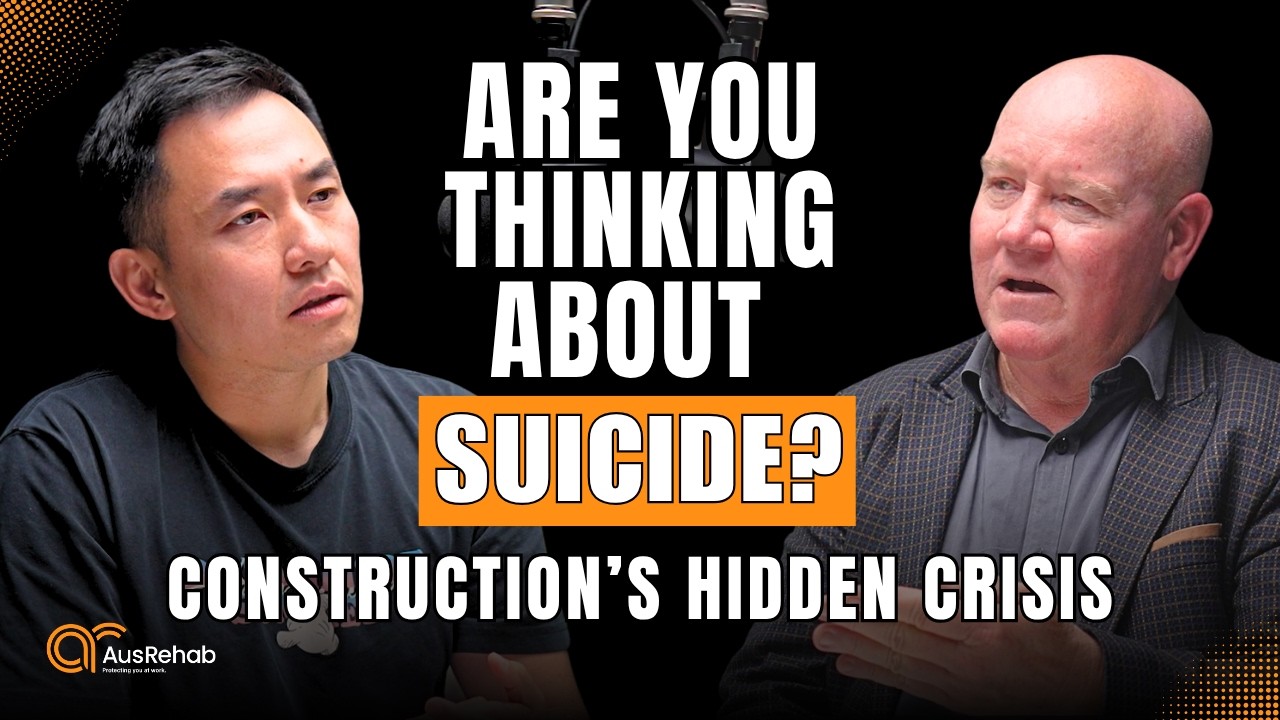
Mental health conversations on construction sites aren’t always easy. Brad Parker explains why noticing changes in someone’s behaviour can be the first step towards starting an important conversation.
He walks through the MATES in Construction approach of recognising loss, change and a gut feeling that something isn’t right, then finding the courage to ask a direct question.
The episode also explores the unique pressures faced by construction workers, the importance of workplace culture, and how peer support, training and early intervention can help people feel less alone.
From practical advice for checking in on a workmate to Brad’s deeply personal experience with trauma, this conversation offers important lessons for workers, employers and anyone who wants to support someone going through a difficult time.
Construction workers face distinct mental health challenges, including demanding working conditions, workplace pressures and barriers to seeking help.
Recognising warning signs, building supportive workplaces and making time for genuine conversations can help create an environment where people feel safer asking for support.
Sometimes, an important conversation begins with simply noticing that something has changed.
Practical insights into suicide prevention, construction mental health and the importance of looking out for one another
Learn the three-part framework Brad discusses: loss, changes in behaviour and a gut feeling that something isn't right
Understand why Brad encourages people to ask openly about suicide when they're concerned for someone's safety
Discover how workmates, colleagues and ordinary people can play an important role in recognising distress and helping someone
Explore why construction workers face significant mental health challenges and the industry factors that contribute to suicide risk
Hear Brad's story of a serious car accident, his experience with trauma and the colleague who recognised signs of PTSD before he did
Learn about the Angel of the Gap and how simple acts of compassion and connection made an extraordinary difference
Explore the conversation at your own pace. Jump to the topics that matter most to you
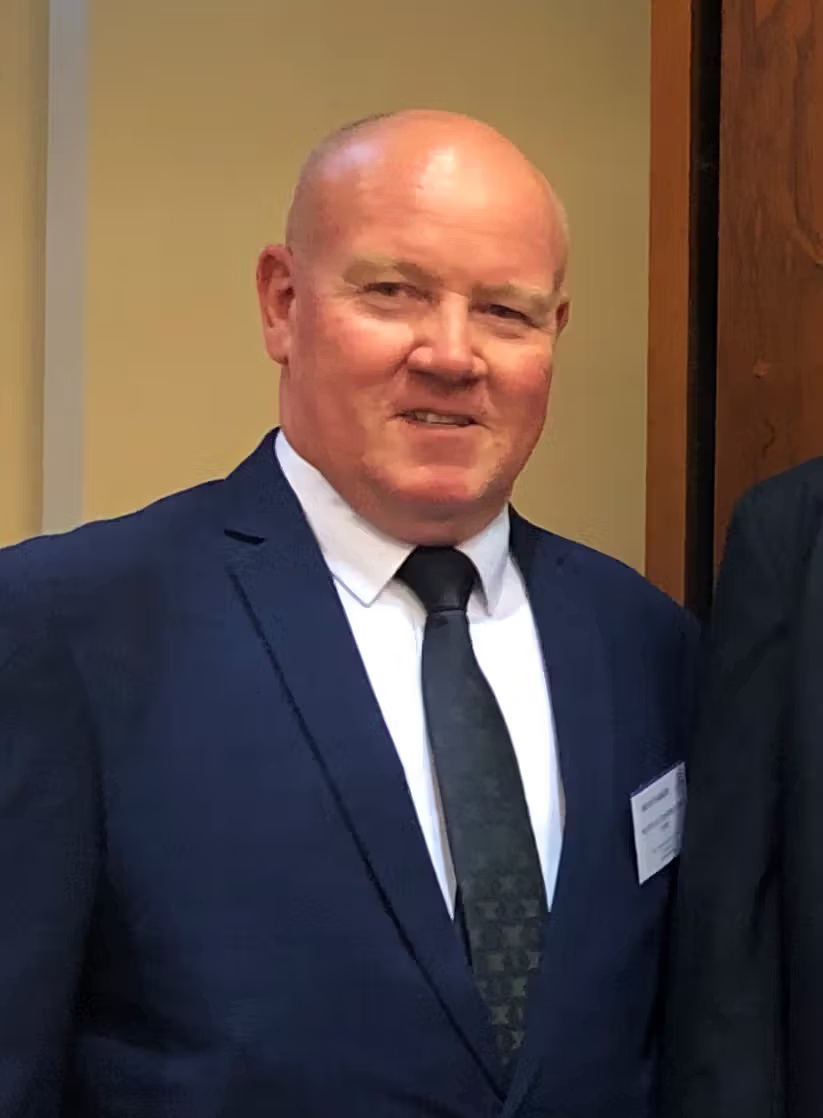
Brad Parker is the CEO of MATES in Construction NSW, an industry-led organisation dedicated to suicide prevention and improving mental health across the construction industry.
MATES provides workplace training, peer support and case management to help workers recognise when someone may be struggling and connect them with appropriate support.
Through his leadership and advocacy, Brad works to increase mental health awareness, encourage meaningful conversations and strengthen support networks within construction workplaces.
In this episode, he also shares his personal experience with trauma, offering a powerful reminder that mental health challenges can affect anyone.
Mental health is an important workplace health and safety issue across Australia, particularly in industries where workers face demanding environments, physical risks and significant personal or professional pressures.
For people working in construction, these challenges can be compounded by long hours, changing job sites, financial uncertainty and workplace cultures where discussing personal difficulties may feel uncomfortable.
In this episode of Behind the Claim, Brad Parker explores why suicide prevention deserves greater attention throughout the construction industry and how workmates, supervisors and employers can contribute to a more supportive environment.
One of the central messages of the conversation is that recognising changes in someone’s behaviour can be an important first step.
Brad discusses the MATES approach to recognising three potential indicators: loss, change and a gut feeling that something isn’t right.
A workmate might become withdrawn, stop joining colleagues during breaks or behave differently following a significant personal event.
These changes don’t necessarily mean someone is experiencing suicidal thoughts, but they may provide an opportunity to check in and offer support.
Rather than assuming everything is fine, Brad encourages people to have genuine conversations and pay attention when something feels different.
Construction workers often spend considerable time together, developing strong professional relationships and a sense of mateship.
These connections can create valuable opportunities to recognise when someone needs additional support.
Programs such as MATES in Construction help workers develop the confidence and awareness to identify signs of distress, start supportive conversations and connect colleagues with appropriate services.
Importantly, workers don’t need to become mental health professionals to show concern. Listening without judgement, taking someone seriously and helping them reach trained support can make a difference.
Employers and managers also play an important role in creating workplaces where mental health conversations are welcomed.
Workplace psychosocial hazards, including excessive job demands, poor support, bullying, harassment and difficult working relationships, can affect worker wellbeing.
Addressing these risks requires more than encouraging individuals to speak up. Organisations should consider how work is designed, how people are supported and whether workers feel comfortable raising concerns.
Training, clear communication, effective leadership and access to professional support can all contribute to a healthier workplace culture.
One of the most powerful lessons from Brad’s conversation is that meaningful support can begin with a simple question.
By recognising when someone may be struggling, taking their concerns seriously and helping them connect with appropriate support, workmates and employers can contribute to suicide prevention.
Creating safer workplaces means looking after both physical and psychological wellbeing of employees and workers.
Mental health awareness, supportive relationships and the courage to start difficult conversations all have a place in building a stronger construction industry.
Construction workers can face psychosocial hazards such as high job demands, inadequate support, isolated work, difficult working conditions and workplace conflict.
These factors can affect mental health and wellbeing. Managing psychosocial risks and creating supportive working environments are important parts of workplace health and safety.
If you’ve noticed a meaningful change in someone’s behaviour or circumstances, start a genuine conversation in a private, supportive setting.
Listen without judgement, take their concerns seriously and avoid making assumptions.
If you’re concerned that someone may be thinking about suicide, asking directly and helping them connect with professional support can be important.
MATES in Construction is an industry-led suicide prevention and mental health program supporting workers across the construction industry.
The program provides workplace awareness training, peer support, case management and pathways to appropriate services.
Its goal is to improve mental health awareness, strengthen workplace connections and help people recognise when someone may need support.
Small conversations can make a meaningful difference.
Closing statement
Improving mental health in construction starts with awareness, supportive workplaces and giving people the confidence to recognise when a mate may need help.

We support injured workers, employers and treating teams through workplace rehabilitation and return-to-work services